Martyrdom & Hope for the Doubters
We put the cross everywhere, wear it on necklaces and on church buildings — seeing it so often can numb us to the meaning, and how strange it is to have a device of Roman oppression, gruesome state execution, as our symbol of hope.
“What people don’t realize is how much religion costs. They think faith is a big electric blanket, when of course it is the cross.” — Flannery O’Connor
Jesus taught about the cross before His crucifixion.1
As a theatre creative, the “scene” of this chapter in Scripture is so rich. Through the lens of a dramatist, consider the given circumstances 2: amid growing tensions and real bodily threats, these ordinary men were witnessing their ancient prophecies come true. They were seeing miraculous things! But their expectation 3 was still rooted in their first century interpretation for political triumph, a narrow religious practice, even ethnic elevation.
When Jesus first predicted how He would be killed, Peter interrupted to rebuke Him, saying, “This shall never happen to you!”4 But Jesus pressed further, “If anyone would come after me, let him deny himself and take up his cross and follow me.”5
The disciples didn’t yet realize what “the cross” would mean. Their natural response was to protect Jesus, assuming physical safety was necessary for victory.
Flannery O’Connor wrote to a close friend struggling with doubt, of course it is the cross. No bombastic triumph, she gently made space for struggle within an authentic faith walk, without bypassing the nature of following Christ.
“I think there is no suffering greater than what is caused by the doubts of those who want to believe. I know what torment this is, but I can only see it, in myself anyway, as the process by which faith is deepened. A faith that just accepts is a child’s faith and all right for children, but eventually you have to grow religiously as every other way, though some never do. What people don’t realize is how much religion costs. They think faith is a big electric blanket, when of course it is the cross…” 6
The need for repentance, the act of changing your mind and turning to God, is constant. It’s a continual process theologians call sanctification, a process in which we become holy, set apart, or sanctified.
I think the context of sanctification is helpful for understanding what O’Connor means. Affirming faith in the midst of doubt allows for the natural progression of spiritual maturity; the requirement isn’t certainty, it’s continuing to turn to God.
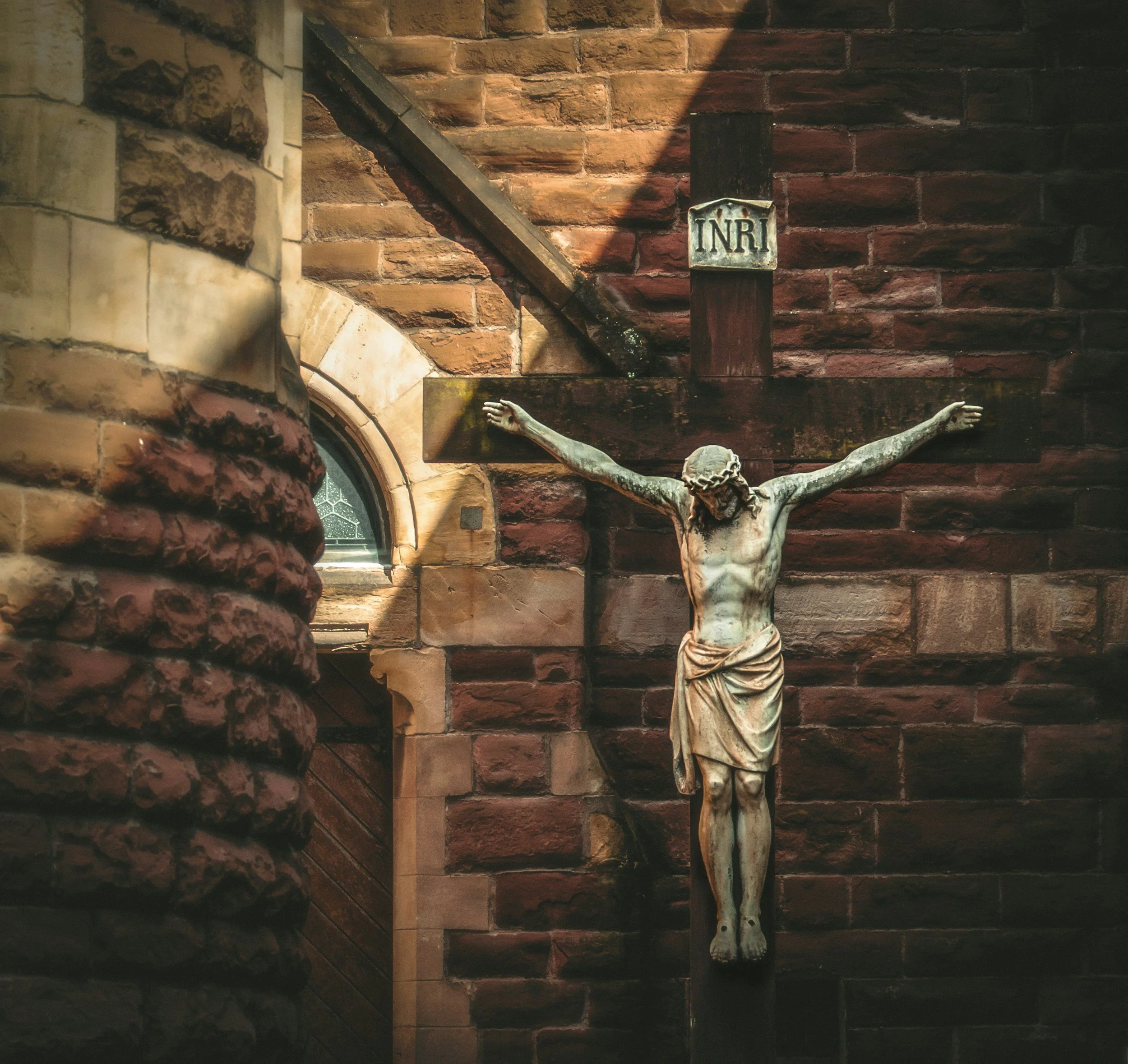
None of the disciples, those closest to Jesus, understood what God was doing. How could execution reconcile with a Messiah promised to bring good news to the poor, proclaim liberty to captives, and comfort those who mourn? 7
In that same letter, O’Connor explained to her friend, “…When we get our spiritual house in order, we’ll be dead… Don’t expect faith to clear things up for you. It is trust, not certainty...” 8
When we believe wrong things about faith, achieving becomes a burden: a need to stir up my own warm feelings about God, to never misunderstand or question what God is doing. We expect certainty, but are asked to trust.
O’Connor continues,
…What people don't realize is how much religion costs. They think faith is a big electric blanket, when of course it is the cross. It is much harder to believe than not to believe. If you feel you can't believe, you must at least do this: keep an open mind. Keep it open toward faith, keep wanting it, keep asking for it, and leave the rest to God.” 9
In light of the cross, we are challenged to examine our own expectations and disappointments. But perhaps the most challenging instruction from O’Connor, is simply “leave the rest to God.”
Matthew 16: 21-28
“Given Circumstances” is a modern acting principle from Konstantin Stanislavski’s methodology. For more on how to apply it to your work, see: this article from The Old Vic
Again, from the Stanislavski method. Refers to the character’s expectation of succeeding or what the character thinks will happen.
Matthew 16:22, ESV
Matthew 16:24–26, ESV
The Habit of Being: Letters of Flannery O’Connor
Isaiah 61:1-2
O’Connor
O’Connor
