Have Fun at Callbacks
A callback is a second (or third, etc.) audition. After the initial auditions, the director or casting team invites certain actors back to read, sing, or move again, often using material from the actual show. Callbacks help the creative team see how actors fit specific roles, how they take direction, and how they work with other performers. They’re incredibly important to the process, especially as we move more and more to only accepting self-tape auditions.
Being asked to a callback is always a good sign. They want more of you! Yes, you! It’s exciting, maybe a little nerve-wracking, but it’s a sign that you’re doing something right.
There are two extreme responses to getting a callback that I tend to see.
They loved me. Nothing more to do but show up and be confident. I don’t need to adjust anything.
There’s a slim chance I can get them to like me. Time to earn their approval by being as scared as humanly possible.
Neither of these work. Option one is too cocky and comes across as difficult to work with. Option two says, no matter how much positive affirmation I give this person, they will always demand more emotional labour. Both are bad for the rehearsal process. Instead, actors want to balance confidence, flexibility, and… generosity.
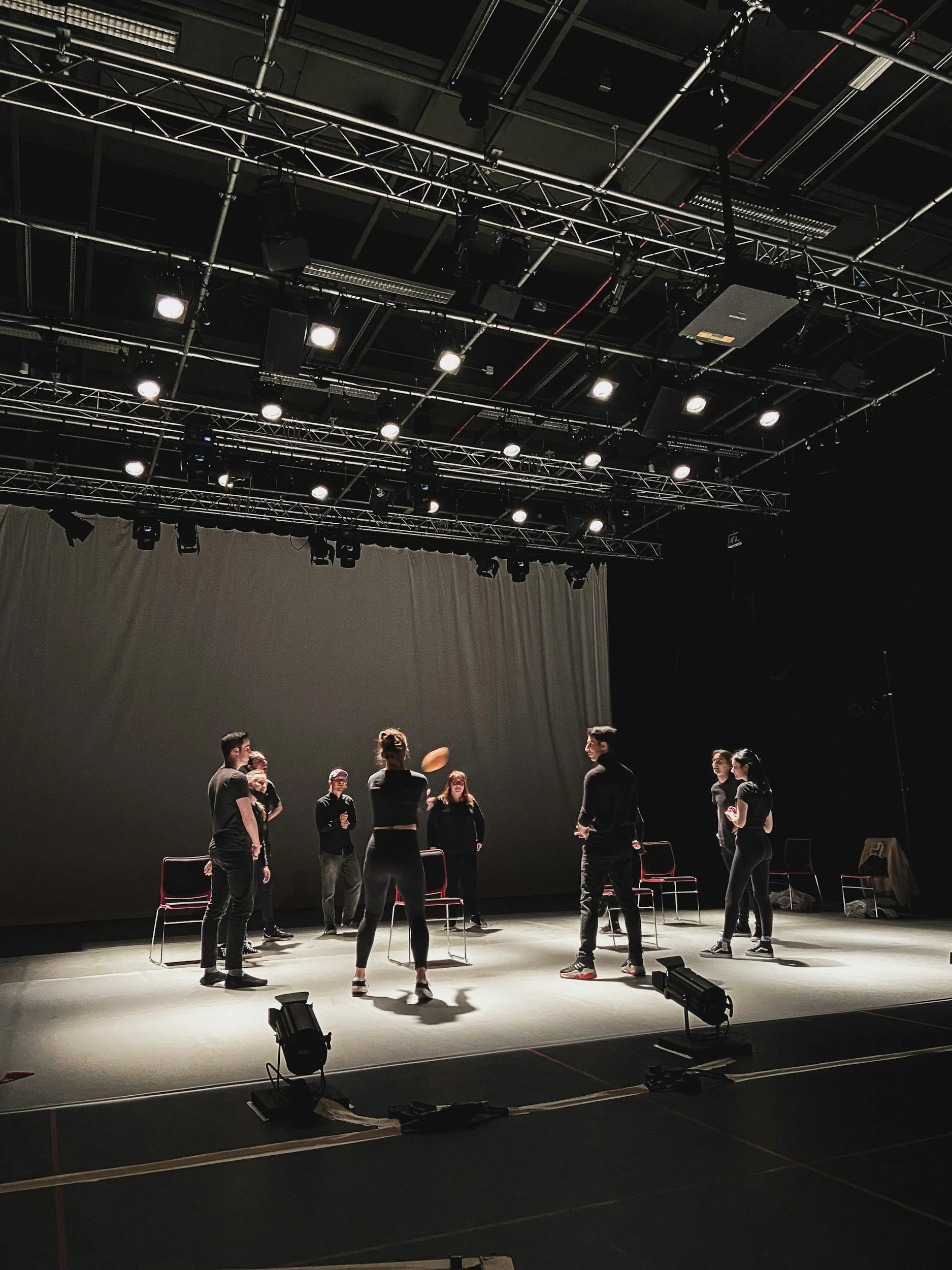
Confidence comes from preparation. Preparation is an act of excellence. When you do the work ahead of time, you free yourself to be fully present in the moment. You learn to trust that you’re ready!
Callbacks often come with specific instructions: new sides, music, or scenes to prepare. Honor those instructions carefully. When you’re in the room, stay present and engaged even when you’re not actively reading. You can’t do that if you’re frantically reviewing your lines.
At callbacks, you’re usually working with material from the actual show. Prepare as if you were doing that show. Learn the basics of the character you’re reading for, like their motivation, background, and their arc through the story. If possible, read the script or watch a performance. If it’s a brand-new piece, research what you can, use your imagination, and make choices.
Are you flexible? I’m not talking about just doing your stretches! Are you easy to work with, or are you showing that you resist collaboration? When you try to control the callback experience — maybe from fear, maybe a lack of preparation — it can come across that you’re difficult!
When you’re prepared, you’re able to be more present. That allows you to be more open when the director wants to see how you take direction. Listen closely, try their suggestions, and be willing to adjust.
Don’t be the actor who argues with the director! Even if it’s not how you first imagined the scene, it won’t kill you to try a different version. Flexibility shows maturity and trust. When collaboration is at the heart of theatre, showing humility and teachability is a huge asset.
We like to be around generous people. A generous actor takes the focus off of themselves. Consider, how can you serve the other people in the room with you?
If you’re reading with someone else, be kind! Be attentive to how they’re playing the scene and respectful of their choices. React to the choices they give you, instead of insisting on driving the scene your way. The creative team is watching how you interact: your chemistry and professionalism. Real chemistry can’t happen when you’re self-focused. It happens when you listen, respond, and support your scene partner. Enjoy the play, the people, and the process. Otherwise, why do we do this?
Don’t assume this is all about you. The casting team isn’t there to rank you, they’re there to cast a show. A lot of times when we’re self-conscious, it’s because we’re seeing the circumstance selfishly rather than the big picture beyond ourselves. You were called back because of who you are. When you center your nervousness or insecurity, you don’t think clearly, and you don’t end up sharing the best parts of you the casting team was looking for. That doesn’t help anyone!
Don’t diminish the importance of preparing for callbacks. You may have nailed that audition, but that only gets you in the room. Think of that first audition or self-tape as your ticket to the event. Callbacks are THE event. Show up and show them who you are: confidently prepared, flexible and present, and generous to those around you.
Even if you’re not a fit for that particular show, the performance world is really small. Being prepared and present gets you the reputation for being a quality performer. It can open doors in the future, but it also makes the present moment much more fun. And we could all use a little more fun! Prepare well, stay open, support others, and let yourself enjoy the moment.
